
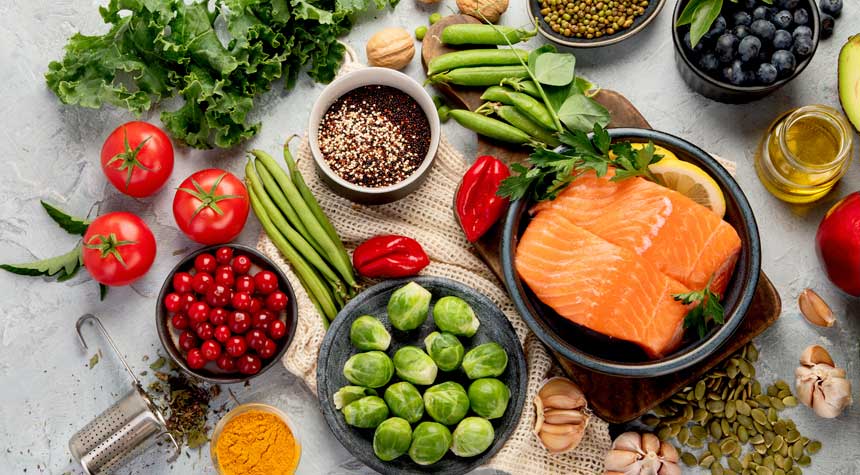
The Best Foods To Eat For A Long Life
If you want to increase your lifespan, nutrition experts offer two suggestions that would help, but make many people groan: Be mindful of what you eat and exercise regularly.
“If you want to live longer, improve what you’re eating and start moving your body more,” Dr. Linda Shiue, an internist and director of culinary and lifestyle medicine at Kaiser Permanente in San Francisco, recommended in an interview with HuffPost.
Both are easier said than done, especially for people with hectic daily schedules. However, for those who want to live a long and healthy life, it’s worth a try.
But even if you are already exercising, what types of foods contribute to longevity? Dr. Shiue advises to look for “foods in their natural state, like whole grains, vegetables, fruits, fish, eggs, and nuts.” In this way, Dr. Shiue said you’re avoiding ultra-processed foods, “such as shelf-stable foods that have refined carbs and high sugars, like white bread.”
While this does not guarantee that you will live longer, it will make your journey healthier. HuffPost asked Dr. Shiue and other leading longevity experts about their dietary choices and what they would recommend to help others on their path to living longer.
Berries
Berries contain high levels of antioxidants, which help repair cells, including those in the heart. They also tend to have a low glycemic load, according to Dr. Shiue. This means they don’t cause sharp spikes in blood sugar, which can help prevent diabetes. When you really want something sweet, berries are an excellent and healthy choice.
Cruciferous Vegetables
Cruciferous vegetables, a part of the cabbage family, are known for being packed with nutrients and having distinctive cross-shaped flowers. Some of the most well-known members of this powerful vegetable family include Broccoli, Brussels sprouts, kale, cauliflower, arugula, and cabbage.
According to Dr. Mark Hyman, an author, family physician, and director of the UltraWellness Center in Lenox, Massachusetts, cruciferous vegetables are rich in anti-inflammatory, anti-cancer, and anti-aging phytonutrients.
What’s more, cruciferous vegetables contain plenty of folate (vitamin B9), which is essential for DNA methylation—the process that switches our longevity genes on and off. This food group is also an important source of magnesium, which plays a role in more than 600 enzyme reactions, Dr. Hyman said.
Since there are different types of vegetables in this family, you can eat as many as you would like.
Dark Chocolate
Who says you have to scratch dark chocolate off the list of healthy foods?
“Dark chocolate has more antioxidants than even blueberries, another super longevity food,” said Dr. Florence Comite, founder of the Comite Center for Precision Medicine and Healthy Longevity in New York. What’s more, dark chocolate is associated with a reduced risk of heart attack, stroke, and diabetes because it is full of antioxidant-rich polyphenols and flavonoids, Dr. Comite added.
And that’s not all. Dr. Comite said some studies have shown that dark chocolate can increase neuroplasticity, the brain’s ability to form new synaptic connections for better memory, cognition, and mood. She recommends looking for dark chocolate with a cocoa content of 75% or higher.
Dark Leafy Greens
Nutrient-dense dark leafy greens, such as collard greens, turnip greens, kale, watercress, and bok choy, are associated with longevity because they are rich in fiber, folate, and other plant chemicals that are important to heart health, according to Dr. Shiue. Folate is also known to help reduce the risk of colon polyps and prevent breast, lung, and cervical cancer.
Extra Virgin Olive Oil
Extra virgin olive oil is a key component of the Mediterranean diet, which health experts say contributes to longevity.
“Just a half-teaspoon a day of extra virgin olive oil can significantly lower the risk of death from cardiovascular disease, neurodegenerative diseases, respiratory diseases and cancer,” Dr. Hyman said.
In addition, Dr. Hyman added that extra virgin olive oil is a great source of healthy monounsaturated fats and antioxidants. It also contains polyphenols, such as oleuropein, which have anti-cancer, anti-inflammatory, cardioprotective, and neuroprotective properties, he said.
Fatty Fish
Fatty fish is at the top of the list of superfoods due to their numerous health benefits. Wild salmon, sardines, mackerel, anchovies, herring, and other fatty fish are quality sources of protein and contain the essential omega-3 fatty acids DHA and EPA, according to Dr. Hyman.
“Eating salmon twice a week is enough to cut your risk of heart attack, arrhythmia, stroke, high blood pressure, and elevated triglycerides,” he explained.
The omega-3 fats in fatty fish also protect against inflammation, which can damage blood vessels and contribute to most chronic and age-related diseases.
Fermented Foods
Generally, the word “bacteria” makes you think of something harmful to the body. However, some bacteria are actually beneficial. According to Dr. Hyman, fermented foods harbor a type of bacteria called “beneficial bugs” that support longevity by boosting the immune response, decreasing inflammation, and increasing gut microbial diversity.
“This is essential for maintaining a healthy body and critical for our long-term health,” Dr. Hyman said.
Some of the best sources of “beneficial bugs” include kimchi, kombucha, tempeh, miso, and sauerkraut. Dr. Hyman recommends starting with 1 serving of fermented foods per day and gradually increasing to 2 or more.
Legumes
Legumes, such as lentils, peas, chickpeas, and peanuts, “can stabilize blood sugar and lower cholesterol,” Dr. Shiue said, and “can help keep you regular and lower your risk for colon cancer.” Dr. Shiue noted that they are also a good source of plant-based protein and fiber.
Plain Yogurt
Not all yogurts are created equal. Check the labels before buying, as many contain added sugars. Dr. Comite recommends eating plain yogurts because they are rich in added protein, calcium, magnesium, and gamma-aminobutyric acid (GABA), “a neurotransmitter that relaxes the body, lowers stress, and improves sleep.”
Dr. Comite favors Greek yogurt because it has more GABA than other types of yogurt.
Tomatoes
Tomatoes are the go-to foods for healthy eating. They make great additions to salads and sandwiches and are even worth eating on their own. According to Dr. Shiue, tomatoes contain lycopene, an antioxidant that helps fight cardiovascular disease. They also contain high levels of vitamin C, which supports the immune system and plays a role in wound healing.
Tree Nuts and Seeds
Tree nuts and seeds are more than just convenient snacks. One study found that almonds, brazil nuts, sunflower seeds, pumpkin seeds, cashews, and walnuts can help reduce visceral fat and improve insulin sensitivity. Tree nuts and seeds are good sources of protein and fiber, Dr. Comite added.
“Walnuts are among my favorite because they are also a good source of plant-based omega-3 fatty acids, the heart-healthy fats you get from fatty fish,” she said.
Whole Grains
Whole grains can extend your lifespan in several ways, according to Dr. Shiue. For one, a study by Harvard’s School of Public Health found that whole grains can reduce triglycerides, blood pressure, and LDL (“bad”) cholesterol. Whole grains also protect against the development of cardiovascular disease, type 2 diabetes, metabolic syndrome, and certain types of cancer.
Source Links:


