If you’re struggling with all the information about what women should eat to stay healthy, you’re not alone. It’s tough to figure out what to do and who to believe when you’re told to avoid fats or else you’ll gain weight, or that carbohydrates of any kind are bad for you.
It’s great that women want to eat well, but nutrition experts say much of the advice they find is confusing, outdated, or just plain wrong.
“This isn’t unique to women, but there is more messaging around weight loss, dieting, or protein consumption in online spaces that women frequent,” Maya Feller, the founder and lead dietitian at Maya Feller Nutrition, told EveryDayHealth.com. “The influencer that’s the most compelling or feels like a trusted friend is really able to pull the viewer and the reader into whatever they’re saying and make people more prone to believe them.”
Women need essential nutrients like vitamins, minerals, carbohydrates, protein, and fats for proper bodily function, although numerous myths dispute this fact.
The following are some of the myths that have been circulating:
Myth: Carbs Are Bad for You
Carbohydrates themselves aren’t bad. Although a lot of carbs are loaded with sugar, good carbs provide the energy that your body needs to function. Your digestive system can break down most carbohydrates into glucose, which then enters your bloodstream to energize your cells and organs.
“Instead of eliminating carbs, shift your focus to the quality of carbs,” Sharniqua White, a culinary dietitian in Greensboro, North Carolina, recommended to EveryDayHealth.com.
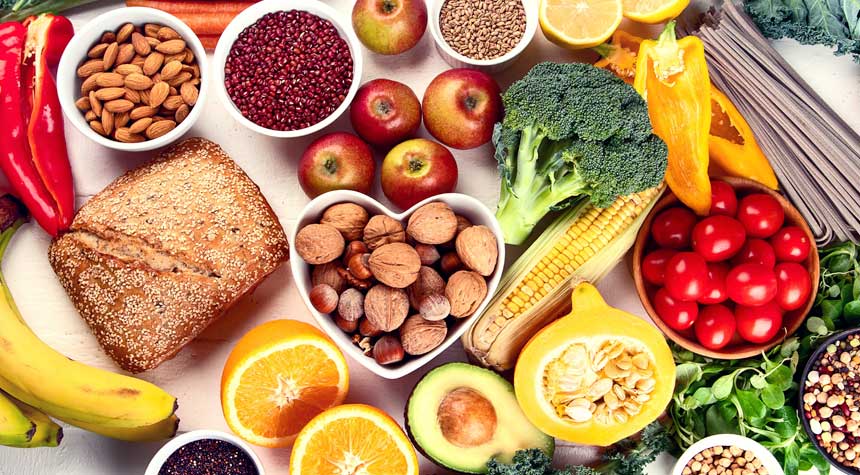
Good carbs are high in fiber, vitamins, and minerals and found in foods like whole grains, fruits, vegetables, nuts, seeds, and beans. Nutritionists recommend avoiding simple or refined carbs, often called “bad carbs,” especially if you have diabetes. Bad carbs are found in foods and drinks, such as white bread, cookies, cakes, soda, candy, fruit juice, syrups, and sweeteners.
Myth: All Processed Foods Are Bad for You
Processed foods are foods changed from their natural state through methods like milling, pasteurizing, canning, freezing, and even adding ingredients like fat, salt, and sugar.
“Many processed foods can help save time and provide great nutrition,” Rosanne Rust, author of DASH Diet for Dummies and the owner of Rust Nutrition Services in Florida, told EveryDayHealth.com. “Canned vegetables, canned beans, and frozen fruits, vegetables, and legumes are convenient solutions to get a quick meal on the table.”
Rust notes that processed foods like fortified breakfast cereals and breads can help fill nutrient gaps, especially for iron, folate, and other vital vitamins and minerals important for children and women of childbearing age.
Processed foods are frequently confused with ultra-processed foods, which include substances, chemicals, and additives such as coloring, flavoring, and emulsifiers. Ultra-processed foods are mass-produced packaged foods, like candy, baked goods, and snacks, that have a long shelf life. One study found that women who consume more ultra-processed foods have a higher risk of developing certain early-onset colorectal precancerous growths.
Myth: The Less You Eat, the More Weight You’ll Lose
You might shed pounds by cutting calories, but it can also slow your body down and leave you lacking nutrients. Although counting calories is important for weight loss, nutrition experts say it’s the quality of calories that counts. For example, a 100-calorie serving of candy does not provide the same nutritional benefit as a 100-calorie serving of vegetables or lean protein.
Instead of focusing on eating less, the key to healthy weight loss is eating a balanced, varied diet of nutrient-dense foods, rich in vitamins, minerals, and healthy fats, that nourishes your body, prevents overeating, and supports your metabolism.
There’s also a myth that you have to give up your favorite foods if you’re trying to lose weight. Nutrition experts say an important part of losing weight is tracking your calories because you need to burn more calories than you consume from food and drinks.
Myth: Your Body Occasionally Needs a Detox or Cleanse
If someone’s trying to sell you a detox pill, potion, or powder, Milton Stokes, a registered dietitian based in the Greater Hartford, Connecticut, area, says to pass on it.
“You can safely ditch the idea of detoxing because your body already does it for you,” Dr. Stokes told EveryDayHealth.com.
Your liver and kidneys are always working hard to detoxify your body. What’s more, experts say that strict, low-calorie diets like those used in detoxes and cleanses can potentially increase a woman’s risk of menstrual disorders if followed long-term.
“The overall culture of weight loss in chasing skinny really leads women to believe they need a detox, when they don’t,” Feller said.
Myth: Eating Fat Makes You Fat
There was a low-fat movement in the late 1990s when women believed that eating dietary fat would make them gain weight and they could never take it off.
Some fats are more calorie-dense than carbohydrates and proteins, so you should limit them to avoid excess calories. However, some fats are healthy and essential to the female reproductive system, which can’t function properly without them.
In addition, research has shown that muscular women with higher body fat levels have more protection against heart disease.
“Weight gain is influenced by many different factors, not one specific macronutrient,” White told EveryDayHealth.com. “Healthy fats actually play a key role in satiety and nutrient absorption.”
If you want to reduce fat in your diet, nutritionists advise starting by eliminating saturated and trans fats; both are linked to heart disease and weight gain.
White suggests adding healthy monounsaturated and polyunsaturated fats to your diet in moderation rather than eliminating fat entirely. These healthy fats are found in foods like nuts, seeds, avocados, and fatty fish like salmon and mackerel, and olive oil.
Myth: Always Prioritize Organic Foods
Organic foods do not use synthetic fertilizers, pesticides, genetic modification, or antibiotics. They also cost more than conventionally grown foods.
“While organic foods can reduce exposure to certain pesticides, they are not necessarily more nutritious than conventionally grown options,” White told EveryDayHealth.com. “The most important goal is to eat more fruits and vegetables overall, organic or not, so choose what fits your budget and access.”
Myth: Protein Is the Most Important Nutrient to Prioritize in Your Diet
Protein is an essential macronutrient for women and helps build and repair tissues, support the immune system, and maintain muscle mass.
There’s a misconception that you need more than 130 grams or more of protein a day and that it must come from animal sources. Research shows that eating excessive amounts of protein can strain the kidneys, cause digestive problems, disrupt the natural balance of other nutrients, and cause heart problems, particularly if you eat red or processed meats that contain high amounts of saturated fats.
Most women generally need about 46-56 grams of protein daily, though this varies based on activity, health, and age, according to studies.
Rather than obsessing over the latest trends, nutrition experts recommend that women focus on whole, balanced foods because this supports long-term health.
This site offers information designed for educational purposes only. You should not rely on any information on this site as a substitute for professional medical advice, diagnosis, treatment, or as a substitute for, professional counseling care, advice, diagnosis, or treatment. If you have any concerns or questions about your health, you should always consult with a physician or other healthcare professional.